Every couple planning a small wedding eventually has the same late night conversation. The venue shortlist is coming together, someone has opened a spreadsheet, and then one of you asks the question that stops the scrolling: wait, how do we actually get married?
It is a better question than it sounds, because on these two islands the answer changes depending on where you are standing. Ireland and the UK share a border, a wedding culture and an awful lot of couples with family on both sides, yet they run four separate legal systems for marriage. Ireland has one set of rules. England and Wales share another. Scotland does its own gloriously flexible thing. Northern Ireland sits somewhere in between. The differences are not small either. They decide how much notice you must give, who can legally marry you, whether a humanist ceremony counts and whether you can say your vows on a clifftop or only under a licensed roof.
None of it is difficult once you see it laid out. So here is the whole picture in one place: what each jurisdiction asks of you, how the timelines compare and the venues where the legal part and the beautiful part happen in the same spot.
The Short Version
If you remember nothing else, remember the notice periods. Ireland asks for at least 3 months. England and Wales ask for at least 29 days, after a week of residency in the district where you give notice. Scotland wants your forms no later than 29 days before the ceremony. Northern Ireland recommends 28 days. Everything else, from fees to celebrants to outdoor vows, flows from which of those clocks you are on.
Ireland: Three Months of Patience, Then Real Freedom
Ireland has the longest lead time and, once the paperwork clears, some of the most relaxed rules about what your ceremony can actually look like.
The process runs through the HSE's Civil Registration Service. You give at least 3 months notice, attend an appointment together in person with passports, birth certificates and a €200 fee, and tell the registrar who will solemnise your marriage and where. The registrar then issues the Marriage Registration Form, the MRF, which is effectively your licence. It stays valid for 6 months, travels with you to the ceremony and gets signed afterwards by both of you, your solemniser and two witnesses over 18.
The quietly brilliant part of the Irish system is the register of solemnisers. Civil registrars, religious ministers and secular celebrants all sit on the same official list, which means a humanist or spiritual ceremony is every bit as legally binding as a church wedding. Ireland made that move years before most of its neighbours and it shows in how creative Irish ceremonies have become. One caveat on location: a civil registrar will only conduct your ceremony at a venue they have approved, while humanist and spiritual solemnisers have much more latitude, gardens and orchards included, so choose your solemniser and your dream setting together.
Plenty of Irish venues have the approvals and the experience to make the legal side effortless. Barnabrow House in East Cork is the kind of place couples picture when they imagine an Irish country wedding, a family run house on 30 acres where the ceremony, the long dinner and the morning after all happen on site, with exclusive use from €3,500.
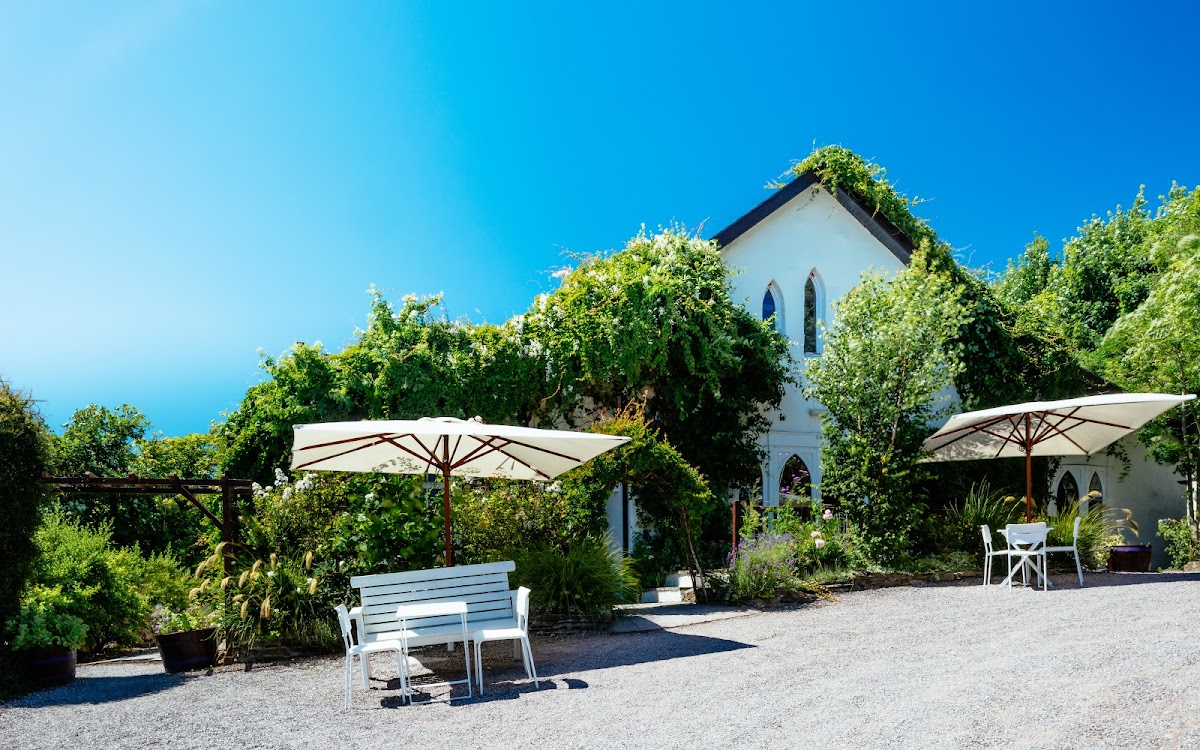
In Kildare, Coolcarrigan House & Gardens goes one better and keeps its own chapel in the grounds, so couples can move from vows to garden reception without a single car journey. Ceremonies for up to 50 guests, from €3,500.
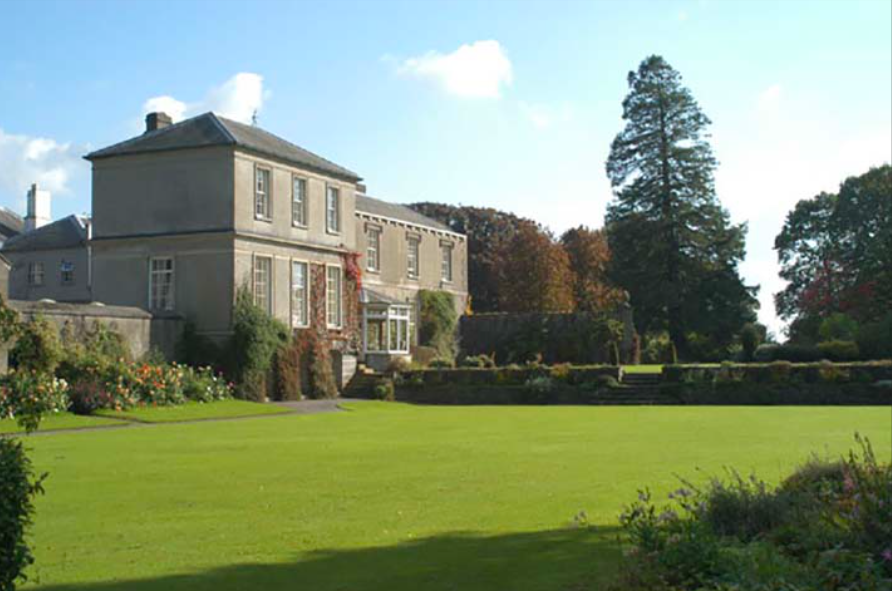
Featured venue
Coolcarrigan House & Gardens
Blackwood, Co. Kildare
And for couples who want the legal formalities followed by something loose and joyful, The Barn at Tyrrellspass in Westmeath hosts ceremonies and celebrations across its courtyard and gardens from €2,500, one of the best value licensed settings in the country.
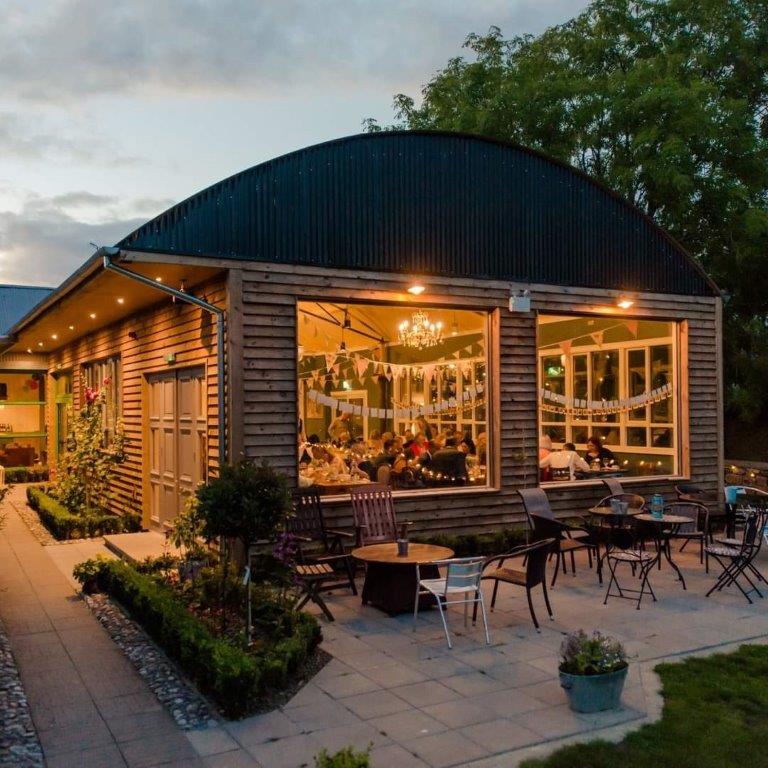
Featured venue
The Barn, Tyrrellspass
Tyrrellspass, Co. Westmeath
Ireland asks for three months of patience up front, then hands you one of the most flexible ceremony cultures in Europe.
England and Wales: The 29 Day Rule and the Licensed Venue Question
England and Wales run the most structured system of the four, and the structure has two pillars: notice and premises.
Notice first. Each of you must have lived in a registration district for at least 7 days, then you give notice at the local register office and wait at least 29 full days before the ceremony, which must happen within 12 months. Giving notice costs around £42 per person. For couples already living in England or Wales this is a formality. For couples flying in from abroad the 7 day residency rule needs building into the travel plans, which is one reason destination couples so often look north to Scotland or west to Ireland instead.
Then premises. A legal wedding in England or Wales happens either at a register office or at a venue licensed as approved premises, and since 2022 the ceremony can take place outdoors within a licensed venue's grounds, which put garden and courtyard ceremonies firmly on the menu. What England and Wales do not yet recognise is the celebrant-led wedding. A humanist ceremony there is not legally binding on its own, so couples who want one typically do the legal signatures at a register office in the days beforehand and treat the celebrant ceremony as the real emotional event.
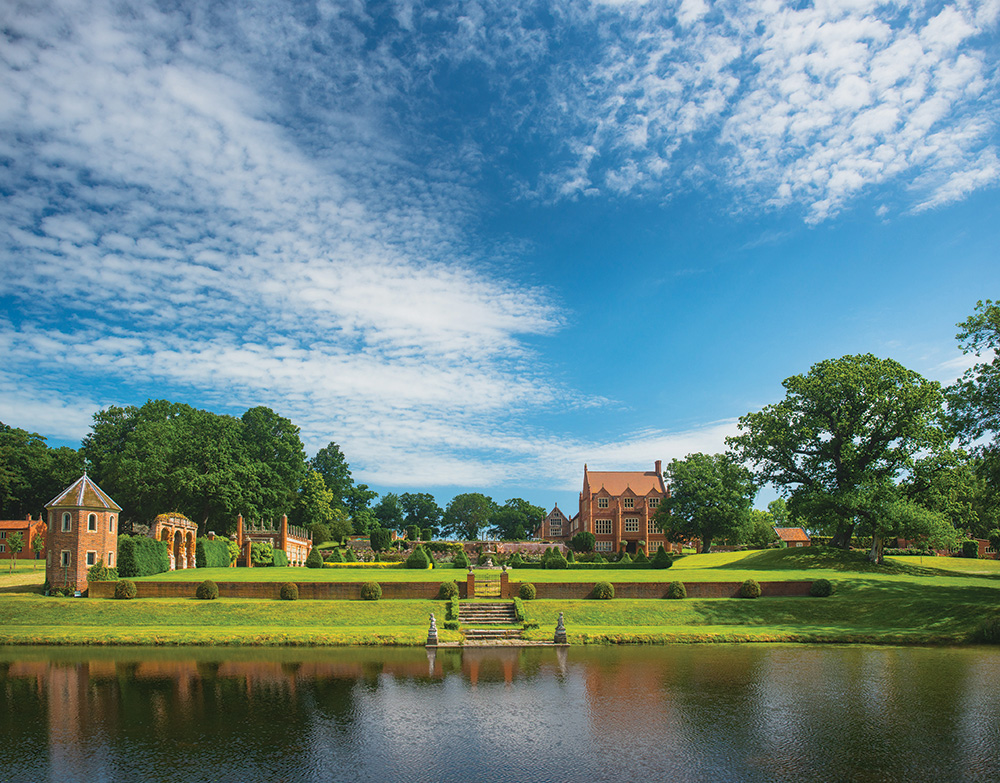
The upside of the licensed venue system is that hundreds of small, characterful places hold a licence. Oxnead Hall in Norfolk is a fine example, a 600 year old estate that caps weddings at an intimate scale with ceremonies in its historic hall and gardens from £3,000, and England's licensed barns are a category all of their own, gathered on our barn wedding venues in England page.
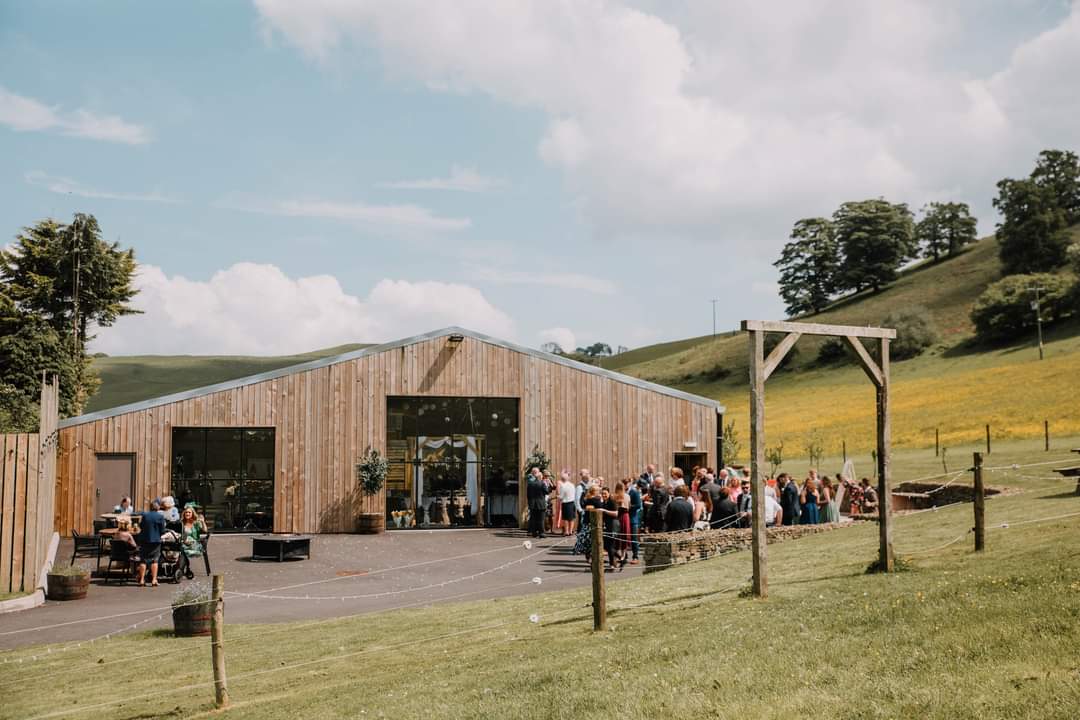
Wales shares the same legal system as England, with its own strong supply of licensed venues at friendlier prices. The Sheepshed in Powys, a rustic venue on a working farm, hosts legal ceremonies for up to 50 guests from £2,000, roughly half what an equivalent English venue would ask.
Scotland: Marry Anywhere, and They Mean It
Scotland is the romantic outlier, and has been since the days when English couples bolted north to marry over the anvil at Gretna Green. The modern rules keep that spirit intact.
Both of you submit an M10 marriage notice form to the registrar for the district where you will marry, no later than 29 days before the ceremony and no earlier than 3 months. There is no residency requirement at all. Civil ceremonies happen at the registration office or a place agreed with the registrar, but the real magic is in religious and belief ceremonies, which can legally take place anywhere your celebrant will stand. A loch shore, a castle hall, a summit in the Cairngorms, all of it is legally sound. Humanist weddings have been fully binding in Scotland since 2005 and humanist celebrants now marry a huge share of Scottish couples. Witnesses need only be 16 or over, and each of you pays a notice fee set by the council, usually somewhere between £30 and £45.
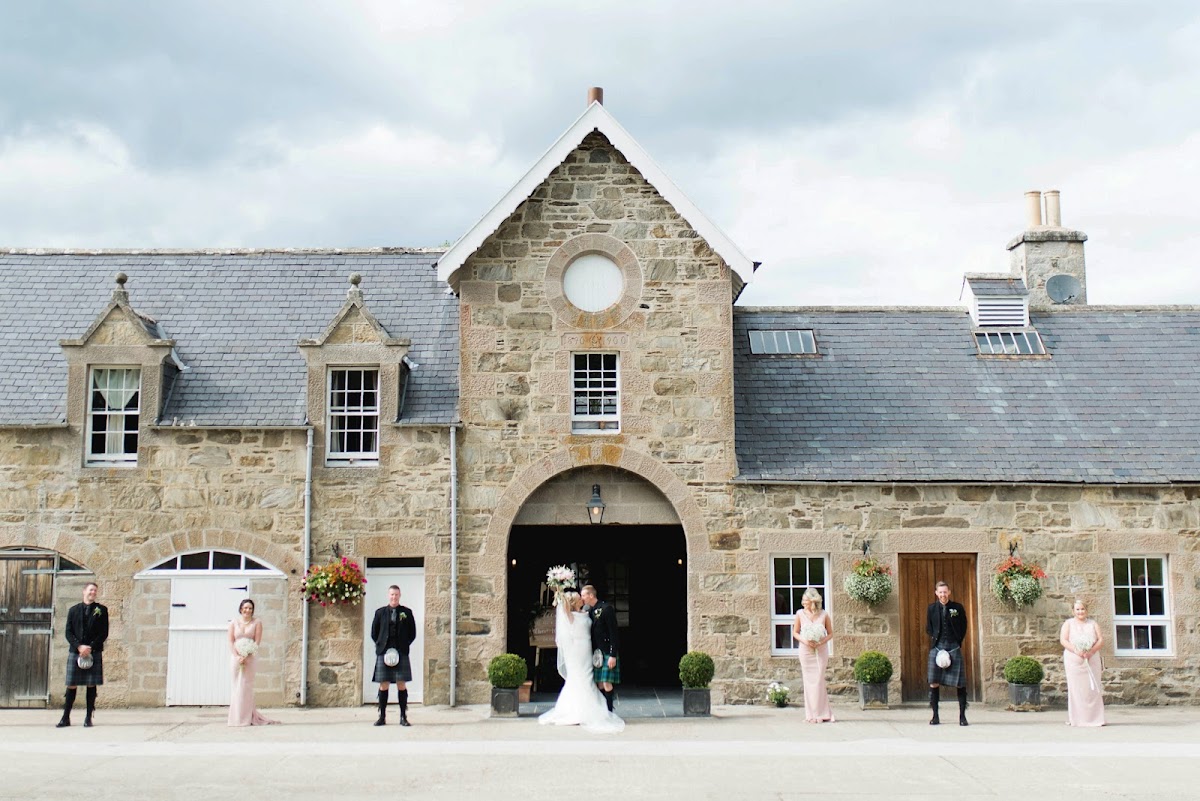
That freedom is why Scotland dominates our elopement venues in Scotland guide, and why its small venues feel so unconstrained. Aswanley, in the River Deveron valley in Aberdeenshire, hosts ceremonies anywhere across its glorious countryside setting, with exclusive use from £2,500.
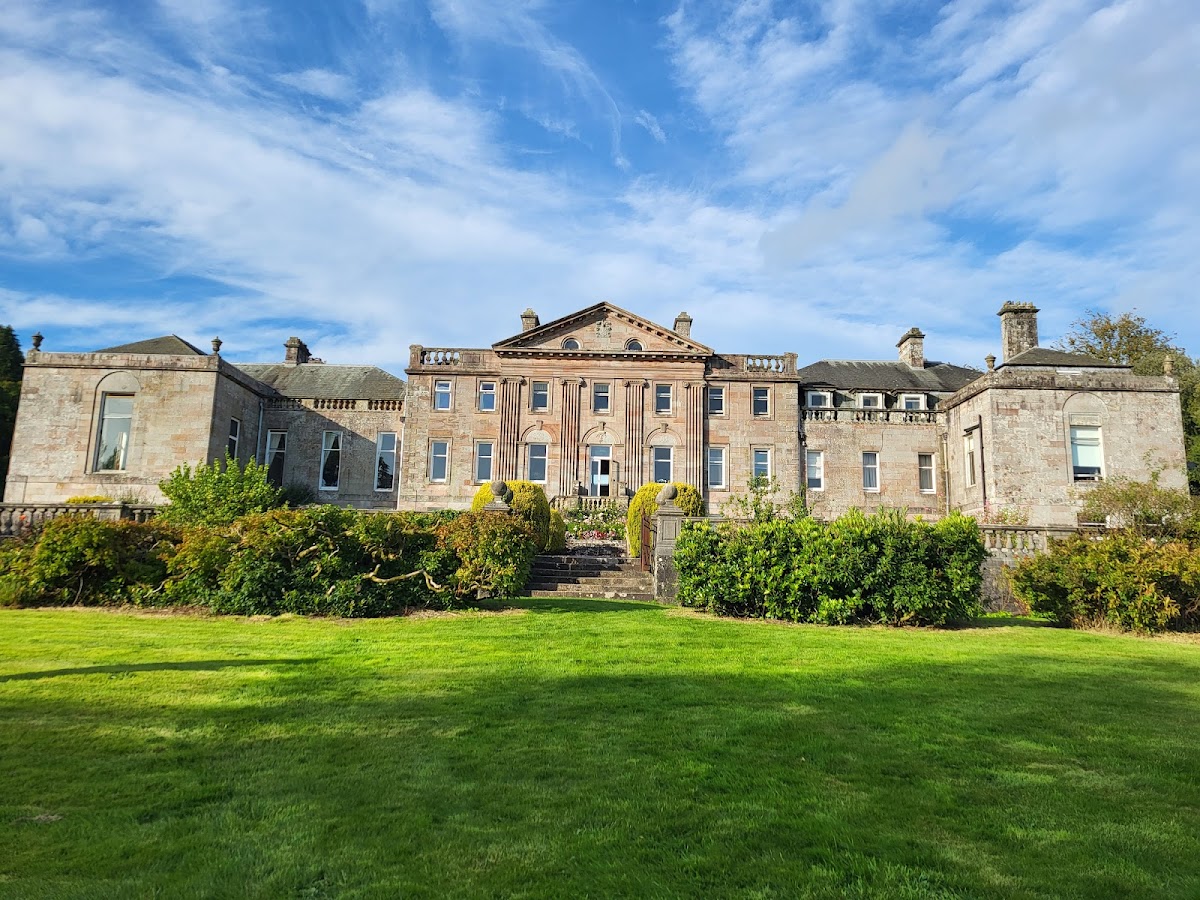
And for a knowing nod to history, Springkell, a Palladian mansion in Dumfries and Galloway, sits six miles from Gretna Green itself and takes intimate weddings from £4,000, the elopement tradition upgraded considerably.
Featured venue
Springkell
Lockerbie, Dumfries and Galloway
"We gave notice from our kitchen table in Boston and got married on a hillside in Aberdeenshire. Scotland made the legal part the easiest bit of the whole wedding."
Northern Ireland: The Quiet Middle Ground
Northern Ireland blends the two systems either side of it. You give marriage notice to the registrar of the district where the ceremony will happen, at least 28 days ahead as strongly recommended, and the forms can be posted, which makes life simple for couples travelling. Religious, civil and humanist ceremonies are all legally recognised, humanist weddings having won that status in 2018, and ceremonies take place at venues agreed with the registrar or your officiant.
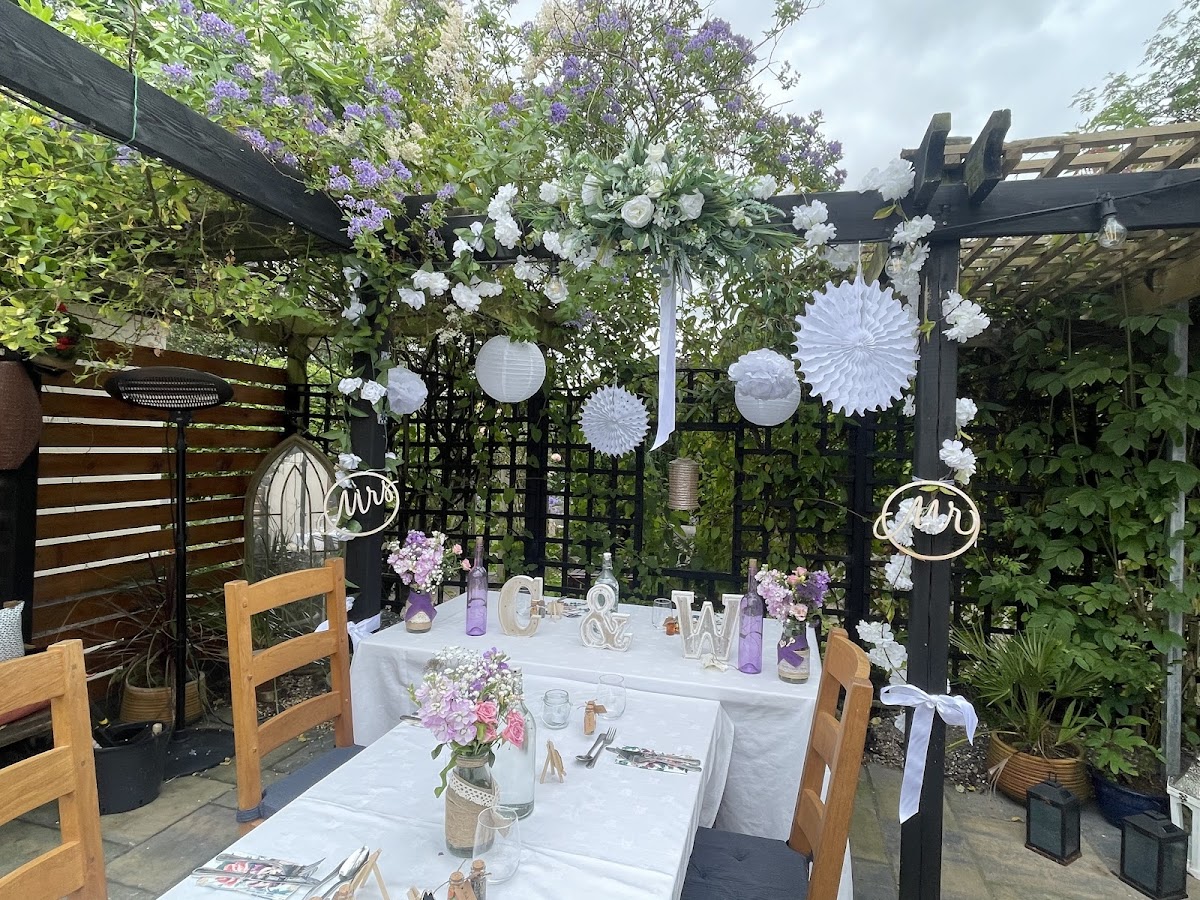
For couples drawn to the Mournes and the County Down coast, Runaway Irish Weddings at The Rocks specialises in exactly this, small legal ceremonies with the paperwork guided from the first phone call, for parties of up to 50.
Featured venue
Runaway Irish Weddings
Downpatrick, Co. Down
The Practical Bits
Work backwards from the ceremony date. Ireland needs your notice appointment done 3 months out, so start the paperwork the week you book the venue. In England, Wales and Scotland the legal clock is about a month, but registrar appointment slots in busy districts book up well ahead, so do not leave notice to the last legal minute.
Choose the celebrant before you fall for a location. In Ireland and Scotland the type of solemniser determines where you can legally marry. If your heart is set on an outdoor ceremony, a humanist or spiritual celebrant is usually the key that unlocks it. In England and Wales the venue's licence is what matters, so check it covers the exact spot, the garden as well as the hall.
Gather documents early. Every jurisdiction wants passports and birth certificates, and previous marriages need final divorce or dissolution papers. Foreign documents can need apostilles or translations, which take weeks, not days.
Planning from abroad, pick your system deliberately. Scotland and Ireland ask for no residency and handle overseas couples smoothly, while the England and Wales residency rule adds a week to your trip before the wedding can even be booked in. Our guide to the difference between a micro wedding and an elopement covers how couples abroad tend to structure the trip.
Budget the legal side honestly. It is the cheapest part of the whole wedding. €200 per couple in Ireland, about £42 each in England and Wales, £30 to £45 each in Scotland, plus registrar and ceremony fees that vary by venue and council. Where the money really goes is the day itself, and our micro wedding cost guide for Ireland breaks that down line by line.
Frequently Asked Questions
How long does it take to get legally married in Ireland?
You must give your local Civil Registration Service at least 3 months notice, attend an appointment in person and pay a €200 fee. The registrar then issues a Marriage Registration Form, which is valid for 6 months and acts as your licence to marry. So a legally safe Irish wedding timeline starts about four months out, and most couples give notice as soon as they set a date.
Is a humanist wedding legally binding in the UK and Ireland?
It depends where you are. Humanist and other belief ceremonies are fully legally binding in Ireland, Scotland and Northern Ireland, provided your celebrant is on the official register. In England and Wales they are not yet legally recognised, so couples there complete the legal formalities at a register office or approved venue and hold the celebrant-led ceremony separately.
Can you get married outdoors in Ireland and the UK?
Scotland is the most flexible, since religious and belief celebrants can legally marry you almost anywhere, from a beach to a mountainside. In England and Wales civil ceremonies can now happen outdoors, but only within the grounds of a licensed venue. In Ireland a civil registrar will only marry you at a venue they have approved, while humanist and spiritual solemnisers have far more freedom over location. In Northern Ireland ceremonies take place at venues agreed with the registrar or your officiant.
Do you need to live in Ireland or the UK to get married there?
Scotland and Ireland have no residency requirement, which is why both are popular with couples travelling from abroad. In England and Wales each of you must have lived in a registration district for at least 7 days before giving notice, which takes more planning for overseas couples. Northern Ireland allows notice by post, so you generally only need to arrive a few days before the ceremony.
How much does the legal side of a wedding cost?
Far less than the party. Ireland charges a €200 notification fee per couple. In England and Wales giving notice costs around £42 per person, with registrar and ceremony fees on top depending on the venue. In Scotland each of you pays a notice fee set by the local council, typically £30 to £45, plus ceremony fees. Northern Ireland is similar. Budget a few hundred pounds or euro in total and you will not be far out.
Paperwork Done, Now the Good Part
The legal side of getting married on these islands rewards one thing above all: starting early. Give notice the week you set the date, match your celebrant to the setting you want and the rest is signatures. Then the real decisions begin, and they are far more enjoyable. Every venue in this guide is verified on Littlewed with capacities and prices upfront, alongside hundreds more across Ireland, Scotland, England and Wales, each one built for the kind of wedding where everyone in the room was actually invited on purpose.