Somewhere out there is a couple who got engaged this weekend and has already been told, by a magazine or a planning app or a well meaning aunt, that a proper wedding takes eighteen months to organise. If they want the marquee for 180 and the string quartet flown in from Vienna, the aunt has a point. If they want 40 people they love in one beautiful room, she is wrong by about a year.
Here is the quiet truth of small weddings: six months is not the emergency timeline. It is the natural one. A micro wedding needs one venue that feels right rather than one that can seat a battalion, a handful of suppliers rather than a dozen and a guest list that fits in a group chat. The couples we hear from at Littlewed who planned in six months do not describe a scramble. They describe a season, one autumn or one spring, in which the wedding stayed exciting the whole way through because there was never time for it to go stale.
What a short runway does demand is order. A few things have hard deadlines, legal notice above all, and a few suppliers genuinely do book out. Get those right in the first six weeks and the remaining months are mostly pleasure. So here is the plan, month by month, with the venues that make it easy.
Month Six: Decide the Shape Before You Shop
Resist the urge to open venue tabs on night one. The first fortnight is for three decisions that make every later choice faster.
First, the guest list, because with a small wedding the list is the wedding. Draw the line honestly and early, and if the line is causing arguments our guide to writing your micro wedding guest list has talked many couples down from the ledge. Second, the budget, set as a total number you both believe, not a vague ceiling. Our cost guides for Ireland and England give you real figures to anchor on, and for 30 to 40 guests most couples land somewhere between £8,000 and £20,000 all-in. Third, the shape of the day itself: legal ceremony and dinner in one place, or paperwork at the register office and a party that looks nothing like a wedding? If you are still deciding whether small is right for you at all, these ten questions settle it faster than any spreadsheet.
Do those three things and you enter month five knowing exactly what you are looking for. Skip them and every venue viewing becomes a philosophical debate.
Month Five: Book the Venue, Because the Venue Is the Timeline
On a six month runway the venue is not one booking among many. It is the booking that creates your date, and the right kind of venue quietly does half your remaining planning for you. Look hard at places with in-house catering or all-inclusive packages, where one confirmed date covers the room, the meal, the furniture and a coordinator who has run a hundred weddings. We keep dedicated pages of all-inclusive venues in Ireland and all-inclusive venues in England for exactly this reason.
A few venues from the directory show what the short-timeline sweet spot looks like.
The country house that handles everything
Tinakilly Country House in County Wicklow is the template. An elegant Victorian country house in manicured gardens near the Wicklow coast, it hosts legal ceremonies on site, sleeps your nearest and dearest, feeds everyone from its own kitchen and takes weddings midweek as well as weekends, which on a six month timeline multiplies your available dates overnight. Exclusive use for up to 50 guests from €4,000.
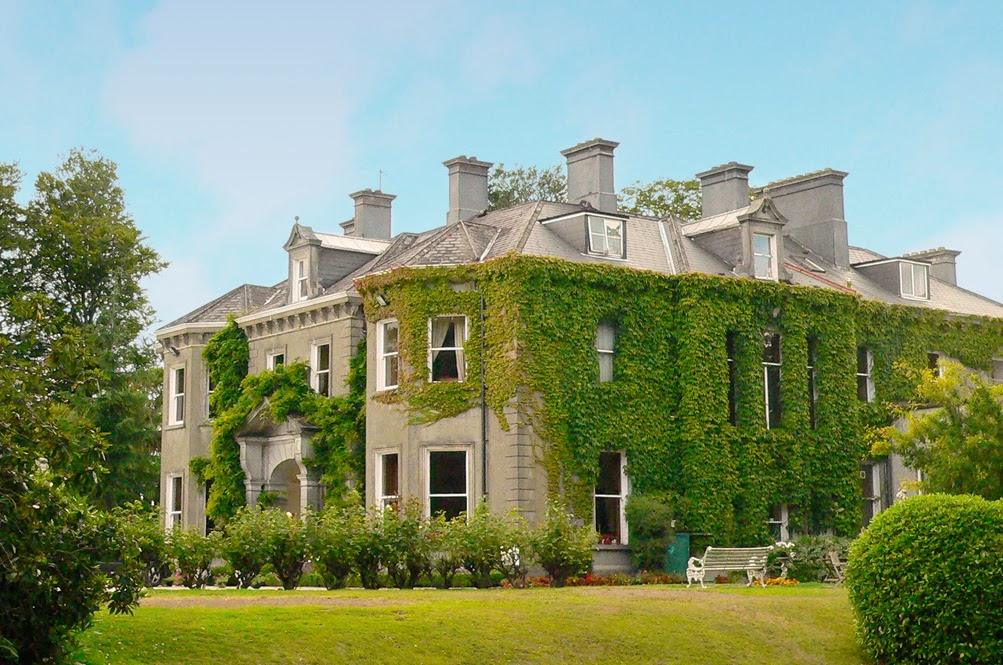
Featured venue
Tinakilly Country House
Rathnew, Co. Wicklow
An hour inland, Poulaphouca House & Falls in West Wicklow runs the same play with a wilder backdrop, 36 acres of woodland and lakes 45 minutes from Dublin, with bespoke menus cooked in house and luxury rooms in the restored 1893 house. The Barn, its purpose built wedding space, holds up to 50. Exclusive use from €3,500.
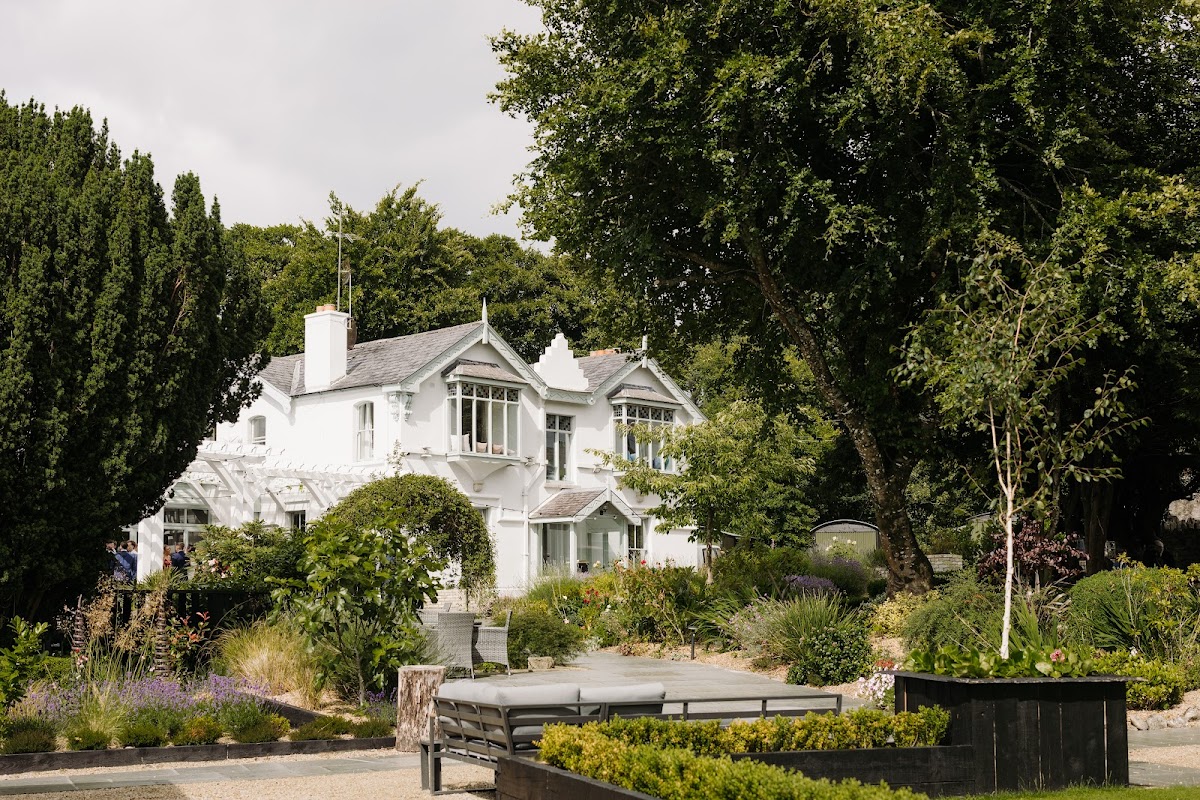
Featured venue
Poulaphouca House & Falls
Hollywood, Co. Wicklow
The barn with the beds and the beef
In England, Donington Park Farmhouse on the Derbyshire and Leicestershire border claims the title of the UK's original barn wedding venue, 350 years old and family run, with 20 bedrooms on site and farm-to-fork dining raised on its own estate. One email books the barn, the beds and the menu in a single stroke. Exclusive use for up to 50 guests from £3,500.
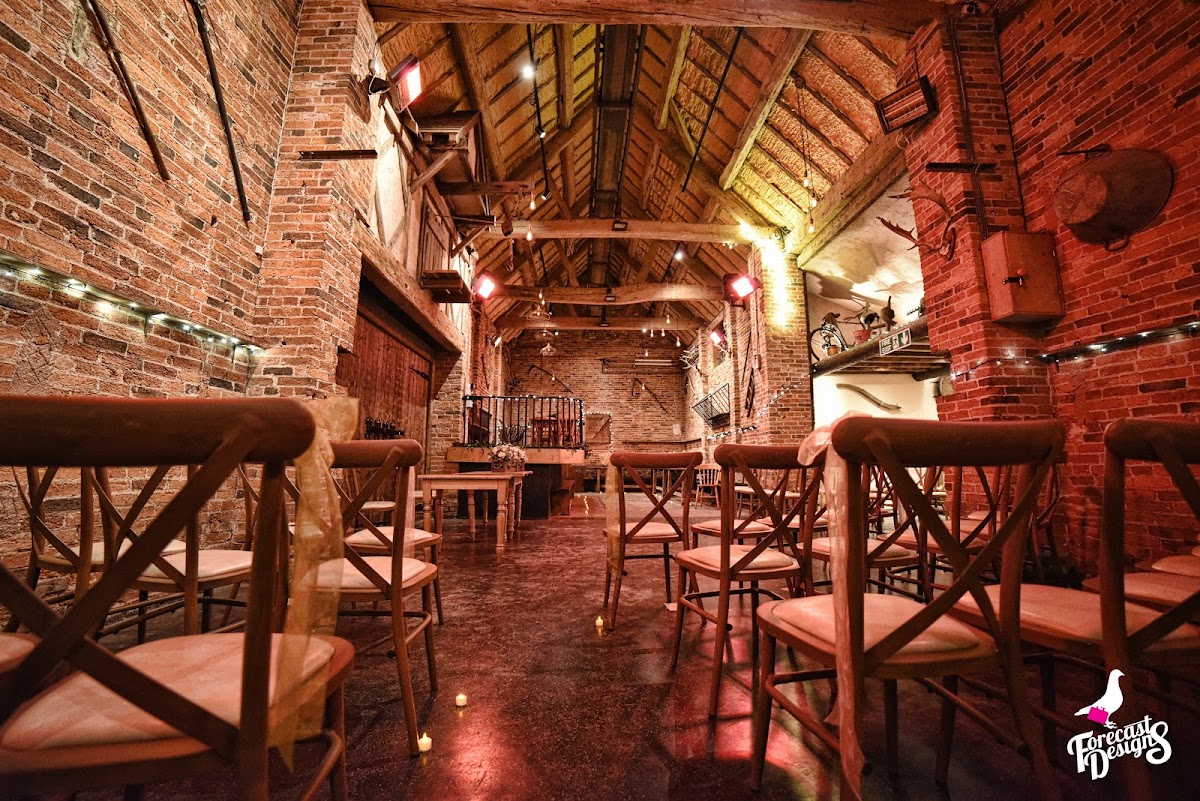
Featured venue
Donington Park Farmhouse
Derby, Derbyshire
The midweek masterstroke
Hadley Park House Hotel in Shropshire is the venue for couples who understand that a Thursday wedding is a small wedding's secret weapon. This Georgian manor near Telford takes one wedding per day, holds a legal ceremony licence, offers midweek dates readily and puts an award winning restaurant behind the wedding breakfast. From £3,000 for up to 50 guests, with 22 bedrooms upstairs.
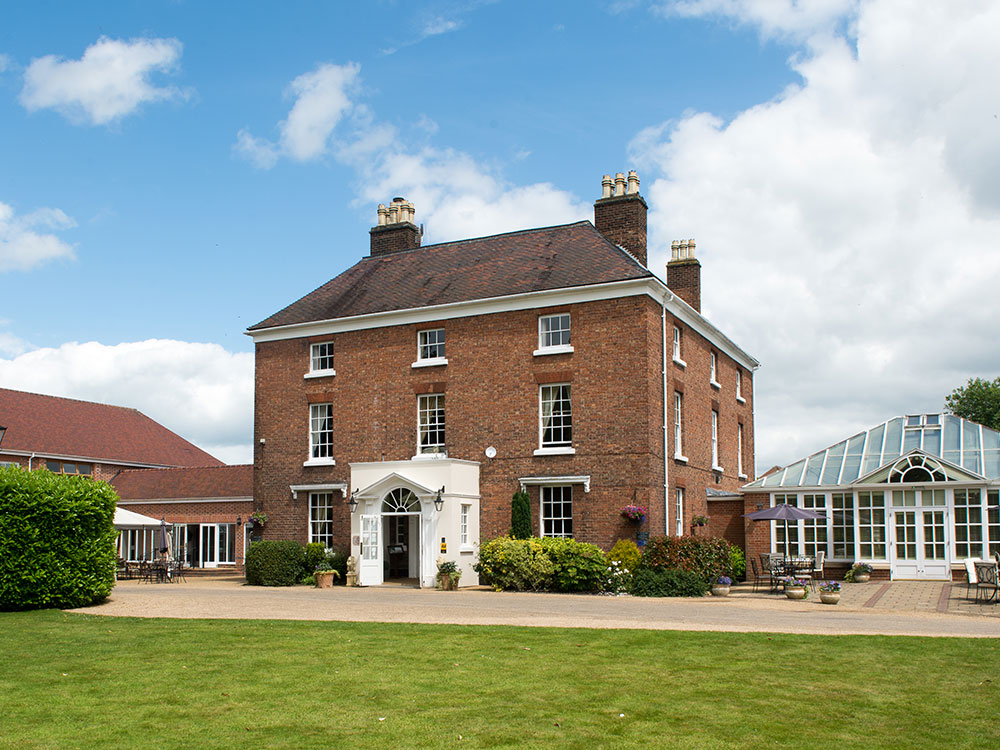
Featured venue
Hadley Park House Hotel
Telford, Shropshire
The weekend takeover
If the dream is three days behind your own walls, Achnagairn Castle in the Highlands hands over an entire Scottish castle, ballroom, bridal suite and luxury accommodation included, for parties of up to 40. From £5,000. And in the Brecon Beacons, The Manor Hotel near Crickhowell brings 50 years of wedding experience and a Table Mountain backdrop for up to 50 guests from £3,500.
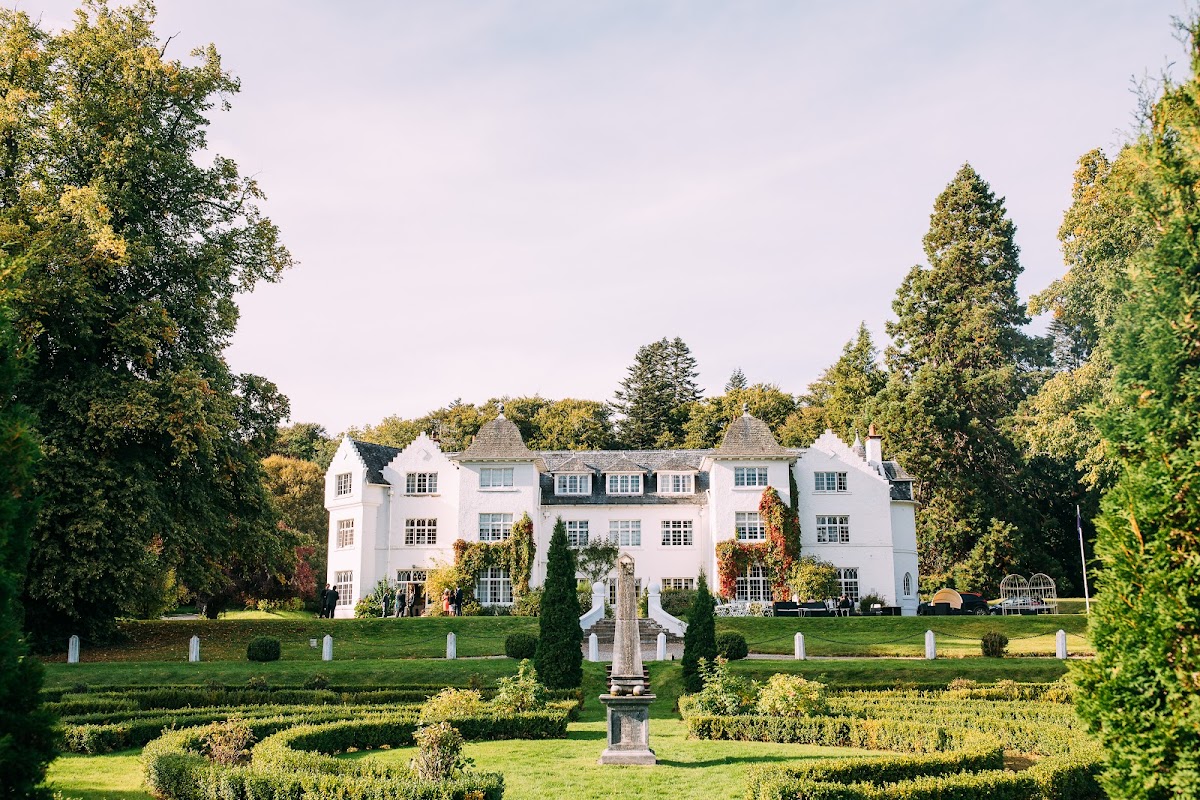
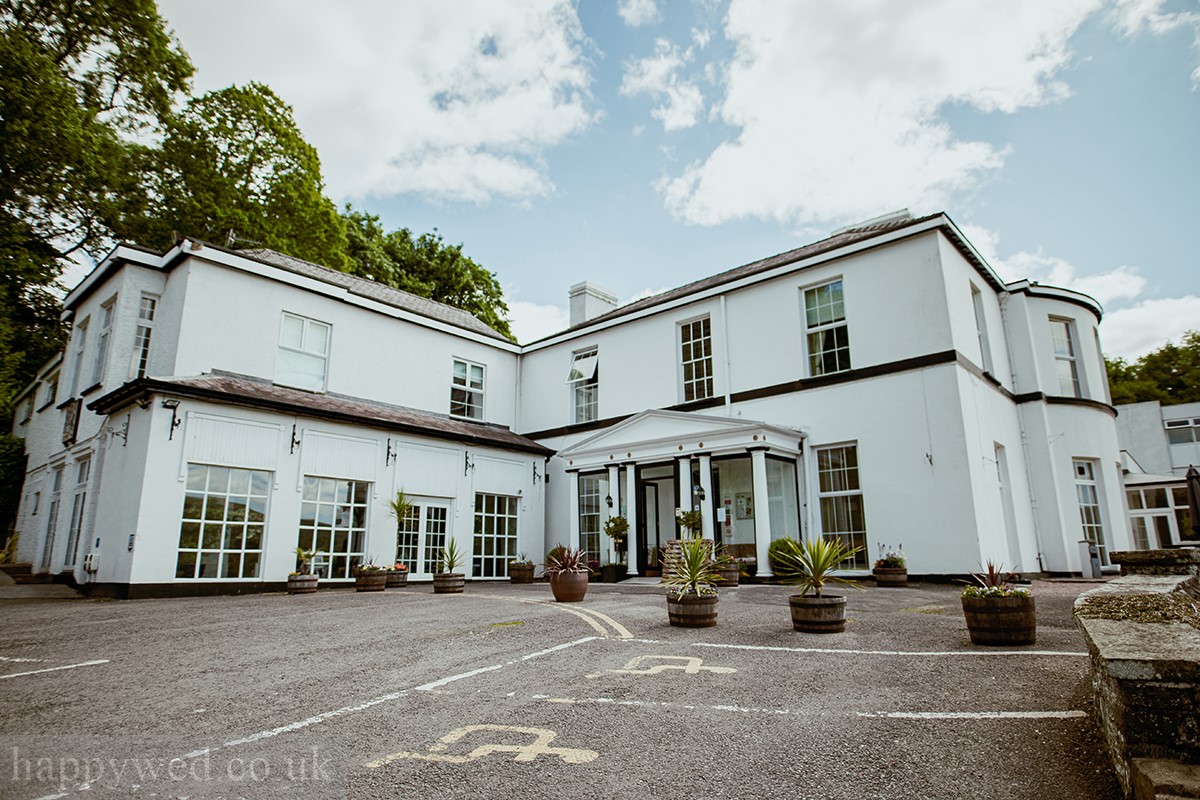
The venue is the timeline. Book a place that feeds, seats and sleeps your people, and half the wedding plans itself.
Month Four: Start the Legal Clock and Chase the One-a-Day Suppliers
Two jobs this month, and neither can wait.
The first is legal notice, and the rules differ sharply across these islands. Ireland asks for at least 3 months notice, given in person at a Civil Registration Service appointment, so an Irish couple on a six month timeline should book that appointment the same week the venue confirms. England and Wales ask for 29 days notice after 7 days residency in your district. Scotland wants its M10 forms no later than 29 days before the day, and Northern Ireland recommends 28 days. The fees are the cheapest line in the whole budget, €200 per couple in Ireland and £30 to £45 each in Britain. Our guide to getting legally married in Ireland vs the UK walks through every jurisdiction, and it is worth ten minutes now rather than a panicked read in month two.
The second job is booking the suppliers who can only do one wedding a day: the photographer and the celebrant. Small weddings need fewer suppliers but these two matter more, not less, when every guest fits in one frame. Approach three photographers whose full galleries you love, not just their highlight reels, and if you are marrying in Ireland or Scotland choose the celebrant with the location in mind, since a humanist celebrant is legally recognised there and can often marry you in places a registrar cannot.
Month Three: Food, Flowers and the Paper
Halfway, and the wedding starts becoming visible. If your venue caters in house, this is menu tasting month, one of the great underrated dates of any engagement. If you are bringing caterers in, confirm them now and let them talk directly to the venue.
Flowers reward the small scale beautifully. One arch or one long table garland, a bouquet and a few jars of seasonal stems will dress a 40 guest room completely, and our micro wedding flowers guide shows how far a modest budget stretches when there are only five tables to decorate. Invitations go out this month too, and here is the permission you were waiting for: with a guest list this size, a beautiful email or a simple printed card with a link does the job. Formal save the dates were designed for weddings where 150 people needed a year of warning. Your 40 people mostly already know.
Month Two: The Details, Minus the Drama
This is the month longer engagements fill with invented tasks. Keep it simple. Confirm numbers with the venue as replies land. Book hair and makeup if you want them. Choose the music, which for most micro weddings means a playlist built together over a bottle of wine and perhaps one musician for the ceremony, not a band with a rider. Buy the rings. Write a first draft of any speeches, because the best short speeches are edited, not improvised.
Then run one honest pass through our complete micro wedding checklist and strike out everything that only exists for big weddings. Transport logistics, table plan software, favours nobody keeps. The strikethrough is the most satisfying pen stroke in wedding planning.
Month One and the Final Fortnight
Final payments, final numbers, one final venue call to walk the day through from arrival to last dance. Delegate two jobs to two trusted guests, one to wrangle the suppliers on the morning and one to shepherd people between ceremony and dinner, and give them each a single sheet with every phone number on it. Then stop planning. The last week of a six month engagement should feel like the week before a wonderful holiday, and with a wedding this size it genuinely can.
"We got engaged in March and married in September. The short timeline was the best decision we made. There was never time to overthink any of it."
The Practical Bits
Let the venue's calendar work for you. Six months out, the peak Saturdays are mostly gone at popular venues, and that is a feature, not a bug. Fridays, Thursdays and winter dates come with better availability and often better rates, and a micro wedding fills a midweek evening with none of the awkwardness a big wedding would suffer. Venues like Hadley Park House and Tinakilly that welcome midweek dates are your natural allies.
Ireland means paperwork first. The 3 month notice rule makes Ireland the one jurisdiction where the legal clock genuinely shapes a six month plan. Book the registration appointment before you book the tasting.
One supplier replacing three is the short timeline cheat code. Every all-inclusive venue removes a chain of emails, contracts and deposits from your remaining months. That is why four of the six venues in this guide cook in house and five sleep guests on site.
Guard the budget against speed. Deadlines make people generous with money. Before saying yes to any upgrade, check it against the total you set in month six, and remember that at a 40 guest wedding the things people actually remember, the food, the light, the words said out loud, are the cheapest things to do well.
If six months still feels long, go smaller again. Couples who want to marry in six weeks rather than six months are usually describing an elopement, and that is a different, wonderful thing with its own playbook. Our guide to micro weddings versus elopements helps you work out which one you are actually planning.
Frequently Asked Questions
Is 6 months enough time to plan a micro wedding?
Yes, comfortably. Six months is tight for a 150 guest wedding because the big supplier categories book out a year ahead, but a wedding for 50 guests or fewer needs fewer suppliers, smaller spaces and shorter lead times. The two genuine deadlines are the venue, which you should book in the first month, and the legal notice, which in Ireland must be given at least 3 months before the ceremony. Everything else fits inside the remaining months without drama.
What should you book first when planning a small wedding?
The venue, always. Your date does not exist until a venue confirms it, and every other booking hangs off that date. On a six month timeline, venues with in-house catering or all-inclusive packages earn their keep twice over, because one confirmed booking covers the room, the food, the tables and usually the coordinator too. Once the venue is set, book the photographer and the celebrant or registrar in the same fortnight, since those are the two suppliers who can only serve one wedding a day.
Can you legally get married within 6 months in Ireland and the UK?
Yes in all four jurisdictions, provided you start the paperwork early. Ireland requires at least 3 months notice to the Civil Registration Service, so on a six month timeline you should book your notice appointment the same week you confirm the venue. England and Wales require 29 days notice after 7 days residency in your district, Scotland wants forms submitted no later than 29 days out and Northern Ireland recommends 28 days. Only Ireland makes the six month clock feel tight, and only if you delay.
How much does a 6 month micro wedding cost?
The timeline itself does not change the price. Venue hire for the intimate venues in this guide runs from £3,000 to £5,000, with exclusive use estates in Ireland from €3,500, and a full celebration for 30 to 40 guests typically lands between £8,000 and £20,000 all-in depending on country and catering. A shorter runway can actually help the budget, since venues sometimes offer better rates on nearer dates and midweek slots, and six months leaves less time for the quiet extras that inflate longer engagements.
What can you skip when planning a small wedding?
More than the wedding industry would like you to know. With 50 guests or fewer you can usually skip formal save the dates, seating plan software, transport logistics, a videography package if the budget is tight and most categories of hired decor, since small rooms dress themselves with candles and flowers. What you should not skip is the photographer, the celebrant who suits you and a proper meal. Those three carry the day, and they are exactly what a small guest list lets you spend properly on.
Six Months From Now
Somewhere in the next few days there is an evening where you set the guest list, name the budget and start looking at venues with intent rather than longing. Six months after that evening, you are married. That is the whole secret of the micro wedding timeline: it is short enough to stay joyful and long enough to do everything properly. Every venue in this guide is verified on Littlewed with capacities and prices upfront, alongside hundreds more across Ireland, England, Scotland and Wales, each one built for the kind of wedding you can plan in a season and remember for the rest of your life.